

The complete guide
Replacing flyscreen mesh with a sheet
Fiberglass Flyscreen (Mesh Only) – Standard, Midge Mesh or Pet Screen Mesh
A Variety Of Options to Choose From
FREE FAST DELIVERY ACROSS SWITZERLAND FOR ALL ORDERS CHF50+ or more (Save CHF22)
- Standard Mesh Specifications – Read Here
- Midge Mesh Specifications – Read Here
- Pet Mesh Specifications – Read Here
DUE TO CURRENT DEMAND PLEASE ALLOW 5-7 DAYS DELIVERYDirect To Your Door - All Across Switzerland
Screen Mesh Specifications
Phifer 18 x 16 Standard Mesh Specifications
18 X 16 (thread count per square inch) mesh insect screening, and is woven from permanent glass yarn, coated with a protective vinyl to ensure lasting beauty, colour and flexibility.
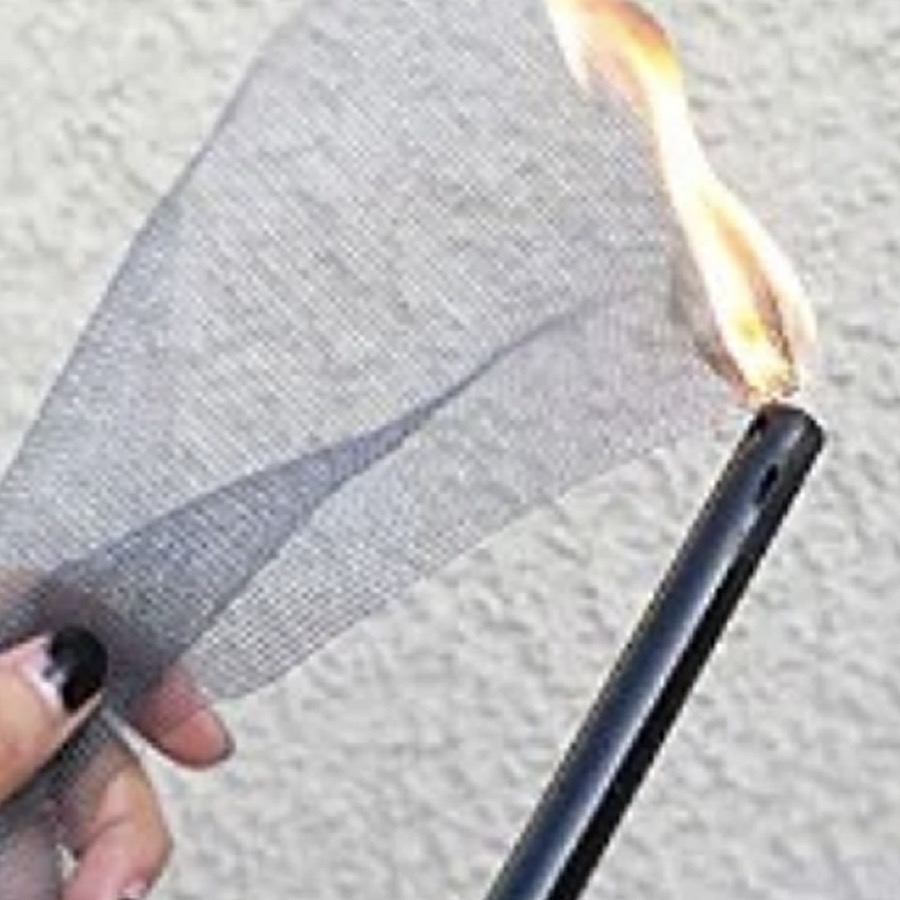
It is produced under the most exacting conditions to meet extremely rigid specifications. Phiferglass is noncombustible and will not rust, corrode or stain. Dark Phiferglass screens offer the best outward visibility of the product line.
- Colour: Grey
- Diameter: 0.011″ | 0.279mm
- Open Area: 66%
Phifer 20 x 20 Midge Mesh Specifications
Known as NO-SEE-UMS screen, this fiberglass screen is a tightly woven 20×20 mesh designed to keep out smaller flying insects like no-see-ums, gnats, sand flies, and other bugs that may inhabit marshy or coastal areas.
While densely woven, this screening still allows good ventilation and visibility and provides some daytime privacy. 20×20 Fiberglass screening is woven from permanent glass yarn which has been coated with a protective vinyl to ensure lasting beauty, color and flexibility. It is produced under the most exacting conditions to meet extremely rigid specifications.
Fiberglass screen is noncombustible and will not rust, corrode or stain, making it perfect for windows, doors, patios, and pools.
- Colour: Black
- Diameter: 0.013″ | 0.33mm
- Open Area: 45%
Pet Mesh Specifications – 10 x 16
Pet mesh is made from heavy duty vinyl coated polyester yarns, which is stronger than standard mesh. Pet mesh is the absolute answer to screen damages cause by the claws of cats and dogs. It is tough and durable and yet offers superb outward visibility.
Pet Mesh can be used on insect screen doors and windows and keeps out all types of bugs, flies and mosquitos.
Replacement Flyscreen Mesh: The Definitive Guide to Insect Screen and Mosquito Mesh
Every flyscreen has a lifespan. Sunlight weakens the fibres, wind stretches the weave, pets leave their mark, and one day you notice a tear that has grown too large to ignore. When that day arrives, you do not need to replace the entire screen frame or call in a professional. Replacement flyscreen mesh lets you restore your insect protection quickly and affordably by swapping out only the damaged material while keeping the existing frame intact.
Choosing the right insect screen material makes all the difference between a repair that lasts for years and one that fails again within months. From standard fiberglass mosquito mesh to heavy-duty pet-resistant weaves and ultra-fine no-see-um fabrics, the range of replacement options available today is broader than most homeowners realise. This guide walks you through every aspect of selecting, measuring, and installing replacement flyscreen mesh so your windows and doors are protected properly from the moment the job is done.
Why Flyscreen Mesh Needs Replacing
Understanding the common causes of flyscreen deterioration helps you choose a replacement mesh that addresses the specific conditions your screens face. Mesh does not fail randomly. It breaks down in predictable ways depending on its material, location, and the stresses it encounters over time.
UV Degradation and Weather Exposure
Sunlight is the most persistent enemy of flyscreen mesh. Ultraviolet radiation breaks down the molecular structure of most screen materials, causing them to become brittle and fragile over months and years of continuous exposure. Fiberglass mesh is particularly susceptible, developing a chalky texture and losing flexibility until the slightest pressure causes it to crack and crumble. Screens on sun-facing windows deteriorate noticeably faster than those in shaded positions, which is why many homeowners find themselves replacing mesh on one side of the house while screens on the opposite side remain in good condition.
Rain, humidity, and temperature cycling compound the UV damage. Water infiltrates tiny cracks in the mesh coating, and repeated freezing and thawing in cooler climates widens those cracks until entire sections of mesh fail. Heat causes expansion and contraction that gradually loosens the mesh from its spline channel, resulting in sagging screens that no longer sit taut in the frame.
Physical Damage from Pets and Daily Use
Pets are responsible for a significant proportion of flyscreen damage in residential homes. Cats claw at insect screen material to sharpen their nails, climb mesh panels to reach elevated perches, and bat at insects they spot on the other side of the screen. Dogs push against door screens with their paws and bodies, stretching and tearing mesh that was never designed to bear weight or resist puncture. Even without pets, everyday contact from leaning against screens, pushing them to open windows, and accidentally bumping them with furniture or cleaning equipment takes a cumulative toll on mesh integrity.
Age and General Wear
Even in ideal conditions with no pet contact and minimal sun exposure, flyscreen mesh gradually wears out through simple ageing. The plasticisers in vinyl-coated mesh slowly evaporate, causing the coating to stiffen and crack. Fiberglass filaments develop micro-fractures from repeated flexing in the wind. Aluminium mesh oxidises and becomes increasingly brittle. No screen material lasts forever, and recognising when your mosquito mesh has reached the end of its serviceable life prevents you from tolerating a screen that looks intact but offers diminished protection against insects.
Types of Replacement Flyscreen Mesh
The replacement mesh you choose should match your specific needs, environment, and the type of insects you are trying to keep out. Each material has distinct strengths and trade-offs that make it better suited to certain applications than others.
Fiberglass Insect Screen
Fiberglass is the most widely used material for residential insect screens worldwide. It is made from woven glass filaments coated in vinyl or PVC to provide weather resistance and a smooth surface finish. Fiberglass mosquito mesh is lightweight, flexible, and easy to work with during installation. It does not dent or crease permanently like metal mesh, which makes it forgiving during the screening process and allows it to maintain a flat, wrinkle-free appearance in the frame.
Standard fiberglass mesh is available in charcoal, black, grey, and silver colours. Darker colours provide better outward visibility because they reduce glare and blend into the background when you look through the screen from inside. Fiberglass is an excellent all-round choice for general insect protection and suits the majority of residential windows and doors. Its main limitation is durability. It offers limited resistance to pet claws, physical impact, and prolonged UV exposure compared to some of the more robust alternatives.
Aluminium Insect Screen
Aluminium mesh is made from woven aluminium wire and offers greater strength and rigidity than fiberglass. It resists sagging, holds its shape well in larger frame sizes, and provides a more substantial barrier against physical contact. Aluminium insect screen is also naturally resistant to fire, making it a preferred choice in areas where bushfire or wildfire risk is a concern.
The trade-offs with aluminium mesh include a tendency to dent and crease if handled roughly during installation, a slightly more obstructed view compared to fiberglass due to the thicker wire gauge, and susceptibility to oxidation over time, particularly in coastal environments where salt air accelerates corrosion. Aluminium mesh is available in natural silver, charcoal, and black finishes, with darker colours again providing the best outward visibility.
Polyester and Vinyl-Coated Polyester Mesh
Polyester mesh offers a middle ground between the affordability of fiberglass and the durability of metal options. It is stronger and more tear-resistant than fiberglass, handles UV exposure better, and provides a smooth surface that resists snagging. Vinyl-coated polyester adds an extra layer of weather protection and gives the mesh a consistent colour and texture.
This type of replacement flyscreen mesh is particularly popular for door screens and ground-floor windows where physical contact is more frequent. It stands up well to moderate pet interaction, accidental bumps, and the general wear that comes with high-traffic installations. For homeowners looking for an upgrade over standard fiberglass without the weight and rigidity of metal mesh, polyester is an appealing option.
Pet-Resistant Mesh
Purpose-built pet-resistant mesh uses heavy-gauge vinyl-coated polyester filaments woven into a dense, tight pattern that resists clawing, scratching, pushing, and chewing. This replacement flyscreen mesh is typically rated at seven to ten times the strength of standard fiberglass, making it virtually immune to the types of damage that household pets inflict on ordinary screens. The thicker filaments and tighter weave reduce airflow and visibility slightly compared to standard mesh, but for any home with pets that interact with screens, the trade-off is well worth accepting.
Stainless Steel Mesh
Stainless steel insect screen represents the top tier of replacement mesh in terms of strength, durability, and longevity. Woven from fine stainless steel wire, this mesh is virtually indestructible under normal residential conditions. It resists pets, impacts, UV exposure, corrosion, fire, and even forced entry attempts, making it both an insect barrier and a security screen in one material. Stainless steel mesh is heavier and stiffer than other options, requires specialised tools for cutting and installation, and sits at the premium end of the market. For homeowners who want the strongest and longest-lasting replacement mesh available, stainless steel is the definitive choice.
No-See-Um and Ultra-Fine Mosquito Mesh
Standard mesh densities of 18 by 16 strands per inch block common mosquitoes, flies, and wasps effectively but allow very small biting insects to pass through. No-see-um mesh, also called micro mesh or fine weave mosquito mesh, uses a much higher strand count that blocks gnats, midges, sand flies, and other tiny insects that standard mesh cannot stop. This ultra-fine insect screen is essential in tropical, coastal, and wetland areas where biting midges and no-see-ums are a persistent problem. The finer weave does reduce airflow more noticeably than standard mesh, so it is best used where the insect problem justifies the slight decrease in ventilation.
How to Measure for Replacement Flyscreen Mesh
Accurate measurement ensures your replacement mesh covers the full screen opening and fits securely into the frame without excess material bunching at the edges or falling short of the spline channel.
Measuring for Frame-Mounted Screens
For screens that sit in a frame with a spline channel, measure the outer dimensions of the frame from the outside edge of the spline channel on one side to the outside edge on the opposite side. Do this for both width and height. Add approximately 50 millimetres to each dimension to provide enough excess material to grip while pressing the mesh into the channel with a spline roller. This overhang is trimmed away after installation, so having slightly more material than you need is always better than coming up short.
Measuring for Magnetic and Adhesive-Mounted Screens
If your replacement flyscreen mesh will attach to the window frame using magnetic strips or adhesive, measure the dimensions of the opening you want to cover and add 20 to 30 millimetres on each side for the mounting overlap. This overlap ensures the magnetic or adhesive border sits fully on the frame surface rather than spanning the open gap, providing a secure attachment and a complete seal against insects. Double-check that the flat surface area around the opening is wide enough to accommodate the magnetic strip or adhesive tape without obstructing window hardware or sitting on an uneven surface.
Allowing for Mesh Stretch and Tension
When cutting replacement mesh, keep in mind that the material needs to be pulled taut during installation to achieve a smooth, wrinkle-free result. Different materials stretch differently under tension. Fiberglass has moderate stretch and recovers well, making it the easiest material to tension evenly. Aluminium has virtually no stretch, so it must be cut to precise dimensions and positioned carefully before splining. Polyester stretches slightly more than fiberglass, which can be an advantage during installation but may result in sagging over time if the mesh is overtensioned initially. Understanding the stretch characteristics of your chosen material prevents installation problems before they occur.
Tools and Supplies Needed for Rescreening
Replacing flyscreen mesh requires only a handful of tools and supplies, most of which are inexpensive and available at any hardware store. Having everything assembled before you start makes the job faster and produces better results.
Essential Tools
A spline roller is the most important tool for any rescreening job. This small hand tool has a wheel on each end, one convex for pressing the spline into the channel and one concave for seating the mesh under the spline. A sharp utility knife or screen cutting tool is needed to trim excess mesh after installation. A flat-head screwdriver or spline removal tool helps extract the old spline from the channel without damaging the frame. Finally, a pair of scissors for rough-cutting the mesh to approximate size before fine-fitting rounds out the basic toolkit.
Choosing the Right Spline Size
Spline is the flexible rubber or foam cord that holds the mesh in the frame channel. It comes in a range of diameters, and using the correct size is critical to a secure installation. Spline that is too thin will not grip the mesh firmly and may allow the screen to pull free under wind pressure or contact. Spline that is too thick will be difficult to press into the channel and may stretch or distort the mesh as it is forced in.
To determine the correct spline size, remove a small section of the old spline from your frame and take it to the hardware store for matching. If the old spline is not available, measure the width of the spline channel with a tape measure or callipers and select a spline diameter that matches. When in doubt between two sizes, choose the slightly larger option, as it will compress to fill the channel and hold the mesh more securely than a loose-fitting thinner spline.
Step-by-Step Guide to Replacing Flyscreen Mesh
With your materials assembled and your measurements confirmed, the actual process of replacing the mesh is straightforward and satisfying. Follow these steps for a professional-quality result.
Removing the Old Mesh and Spline
Lay the screen frame on a flat work surface. Use a flat-head screwdriver or spline pick to lift one end of the old spline from its channel. Once you have a grip on the end, pull the spline out steadily along the length of the channel. It should come out in one continuous piece, bringing the old mesh with it. If the spline breaks or crumbles as you remove it, this is a sign it has deteriorated and should be replaced with new spline rather than reused. Once all four sides of spline are removed, lift away the old mesh and clean any debris from the spline channels using a small brush or cloth.
Cutting and Positioning the New Mesh
Unroll your replacement flyscreen mesh over the frame, ensuring it covers the entire opening with at least 25 millimetres of overhang on all four sides. Align the mesh so the weave runs parallel to the frame edges. Crooked mesh is difficult to tension evenly and creates an uneven appearance that is visible from both inside and outside. For fiberglass and polyester mesh, you can use scissors to rough-cut the panel to size. For aluminium and stainless steel mesh, use tin snips or aviation shears to make clean, straight cuts.
Splining the Mesh into the Frame
Begin at one corner of the frame. Place the end of the new spline over the mesh where it crosses the spline channel. Using the convex wheel of your spline roller, press the spline into the channel, trapping the mesh beneath it. Work along one full side of the frame first, applying moderate, consistent pressure and keeping the mesh taut as you go. Then move to the opposite side, pulling the mesh gently across the frame to create even tension before splining it in place. Complete the remaining two sides in the same manner, always working from one side to the opposite to maintain balanced tension across the screen.
As you work around the frame, check periodically that the mesh remains straight and wrinkle-free. Small adjustments are easy to make before the spline is fully seated. Once all four sides are splined, run the roller around the entire perimeter one more time with firm pressure to ensure the spline is fully and evenly seated in the channel.
Trimming the Excess Mesh
With the mesh securely splined into the frame, use a sharp utility knife to trim the excess material from around the outside of the spline channel. Hold the knife at a slight angle with the blade riding along the outer edge of the spline, and cut in a smooth, continuous motion. A sharp blade is essential here. A dull knife will pull and tear the mesh rather than cutting it cleanly, leaving ragged edges that look untidy and may work loose over time. After trimming, inspect the entire perimeter to confirm the mesh is securely held and no sections of spline have been dislodged during the trimming process.
Choosing Mesh Colour for Optimal Visibility
The colour of your replacement flyscreen mesh has a noticeable impact on how clearly you can see through the screen and how visible the screen is from outside your home.
Dark Mesh for Better Outward Views
Charcoal and black mosquito mesh provide the clearest view of the outdoors from inside your home. Dark-coloured mesh absorbs light rather than reflecting it, which reduces the visual presence of the screen and allows your eyes to focus on the landscape beyond. This effect is similar to looking through a pair of dark sunglasses versus clear glass. Black mesh is the preferred choice for living areas, bedrooms, and any room where preserving the view is a priority.
Light Mesh for Specific Applications
Silver and grey insect screen mesh reflects more light, which makes the screen more visible from both sides but can also provide a mild sun-filtering effect that reduces glare inside the room. Light-coloured mesh is sometimes preferred for windows in direct sunlight where the light-reflecting properties help reduce heat gain. It is also easier to inspect for damage and dirt because tears, holes, and stains show up more clearly against a lighter background. In purely functional applications where appearance is secondary to utility, light mesh offers practical advantages over darker alternatives.
How Often Should You Replace Insect Screen Mesh?
There is no fixed replacement schedule that applies to all screens, as the lifespan of your mosquito mesh depends on the material, location, climate, and level of physical stress it endures. However, some general guidelines help you plan ahead.
Signs That Replacement Is Overdue
Visible holes and tears are the most obvious sign, but they are not the only indicator. Mesh that has become stiff, brittle, or discoloured from UV exposure is likely compromised even if no holes are visible yet. A screen that sags noticeably in the frame has lost its tension and may be stretching beyond its ability to recover. Mesh that feels rough, chalky, or powdery to the touch has undergone significant UV breakdown and will fail soon. If you can see light coming through pinholes when the screen is backlit by sunlight, the mesh has developed micro-perforations that are large enough for small insects to penetrate. Any of these signs mean it is time for replacement flyscreen mesh.
Proactive Replacement for Uninterrupted Protection
Rather than waiting for mesh to fail completely, many homeowners adopt a proactive approach and replace insect screen mesh on a regular cycle. For standard fiberglass in a sunny location, replacing the mesh every five to seven years maintains continuous protection before UV degradation reaches a critical point. Higher-quality materials like polyester and aluminium typically last eight to twelve years, while stainless steel can remain serviceable for fifteen years or more. Tracking the installation date of each screen and scheduling inspections at appropriate intervals ensures you catch deterioration early and replace mesh before it stops doing its job.
Tips for Getting the Best Results from Replacement Mesh
A few practical tips elevate your rescreening results from acceptable to professional quality and help your new insect screen last as long as possible.
Work on a Flat, Clean Surface
Always lay the frame on a flat table or workbench when replacing mesh. Working on an uneven surface causes the frame to flex, which leads to inconsistent mesh tension and wrinkles that are difficult to correct once the spline is in place. A clean surface also prevents dirt and debris from getting trapped between the mesh and the frame, which can create bumps and contaminate the spline channel.
Replace the Spline When You Replace the Mesh
Old spline that has been sitting in the channel for years loses its elasticity and its ability to grip the new mesh firmly. Even if the old spline appears to be in reasonable condition, replacing it with fresh spline when you install new mesh is a small investment that significantly improves the quality and longevity of the installation. New spline compresses properly in the channel, grips the mesh tightly, and maintains its holding force for years.
Tension the Mesh Before Splining
Taking a moment to pull the mesh taut across the frame before you begin splining prevents the most common amateur screening mistake, which is a finished screen that sags or wrinkles. Secure one edge of the mesh with a few clips or clamps, then pull gently from the opposite edge until the mesh is smooth and even. Maintain this tension as you spline the first two opposing sides, and the remaining sides will fall into place with minimal effort.
Replacing your own flyscreen mesh is one of the most practical and rewarding home maintenance tasks you can learn. With the right replacement flyscreen mesh matched to your environment and needs, a basic set of tools, and the techniques outlined in this guide, you can restore every insect screen in your home to like-new condition in an afternoon. The result is clear views, fresh airflow, and complete mosquito mesh protection that keeps your home comfortable and insect-free for years to come.